

Best Social Media MCP Servers: An Honest Comparison
14 social media MCP servers, four different jobs. Postiz wins publishing, Supermetrics wins reporting — and Mysocial wins the one nobody else does.


Quick answers
Set clear expectations from day one with a detailed creative brief, give influencers creative freedom within brand guidelines, and establish a single point of contact for communication. Brands that treat influencers as partners rather than vendors see stronger campaign performance and repeat collaborations.
A strong brief covers campaign goals, key messaging points, content deliverables, posting timelines, usage rights, and compensation terms. Include brand dos and don'ts, but leave room for the influencer's creative voice. Over-scripted briefs produce inauthentic content that audiences immediately recognize and ignore.
Maintain regular check-ins through a dedicated contact person, provide timely feedback on drafts, and share campaign performance data so influencers see their impact. Responsive communication builds trust and makes influencers more likely to exceed the deliverables outlined in your brief.
You’ve identified the right influencers for your campaign. The hard part should be over — but it’s not. How you manage the relationship determines whether you get authentic content that converts or stiff brand posts that audiences scroll past. These three principles keep influencer partnerships productive and profitable.
Let influencers own the execution. Their audience trusts their voice, not yours.
Document expectations upfront. The brief is your insurance against misunderstandings.
One point of contact, fast feedback, and shared performance data build repeat partnerships.
The biggest mistake brands make is treating influencers like billboard space. You write the script, they read it, and the result feels like a TV commercial in a social media feed. Audiences notice immediately.
Influencers built their following by being authentic. Their audience trusts their voice, not yours. When you over-control the message, you strip away the exact thing that made the influencer valuable in the first place.
What works instead:
The content should feel native to the influencer’s feed. This same principle applies whether you’re running a micro-influencer campaign or working with creators at scale.
Creative freedom doesn’t mean no direction. You need a brief that sets clear expectations without micromanaging the execution.
A strong brief covers:
The brief is your insurance policy against misunderstandings. When expectations are documented upfront, you eliminate the “that’s not what I meant” conversations that derail campaigns. For a complete template, check out our guide on what to include in an influencer brief.
Share the brief before the influencer agrees to the campaign. This gives them the chance to flag concerns, negotiate terms, or opt out if it’s not a fit — saving both sides time and frustration.
Campaigns break down when communication is unclear. The influencer doesn’t know who to ask about deadlines. Draft feedback takes a week. Performance data never gets shared. The result is a disengaged creator who delivers the bare minimum.
Step 01
One person the influencer reaches out to for everything -- questions, approvals, feedback. No bouncing between departments.
Step 02
Review drafts within 48 hours. Slow feedback kills momentum and signals that the partnership isn't a priority.
Step 03
Weekly updates during the campaign, even if brief. A 5-minute call prevents miscommunication that takes days to fix.
Step 04
Send the influencer their content's metrics. This builds trust and makes them far more likely to work with you again -- often at a better rate.
That last point is underrated. Influencers want to see how their content performed. Sharing real-time campaign reports builds trust, proves you value the partnership, and makes repeat collaborations easier to close.
Treat influencers like partners, not vendors. A personal touch — remembering their name, commenting on their non-sponsored content, celebrating milestones — goes a long way in a relationship-driven industry.
Managing influencer relationships comes down to trust: trust the influencer’s creative instincts, set clear expectations through documented briefs, and keep communication fast and transparent.
Your social memory, connected
Find influencers with verified analytics with live media kits and real-time analytics. Know exactly who you're investing in before the first DM.
Free to start. One channel is enough to begin.
Mysocial connects YouTube, Instagram, TikTok, LinkedIn and Threads to one Content Memory that Claude and ChatGPT can use.
If you’re building an influencer marketing strategy from scratch, start with the brief template and communication plan above. For verified creator profiles with live media kits and real-time analytics, Mysocial’s brand partnerships shows you exactly who you’re investing in. Explore more influencer marketing strategies to build campaigns that convert.
Influencer Marketing Strategy
Related Posts
14 social media MCP servers, four different jobs. Postiz wins publishing, Supermetrics wins reporting — and Mysocial wins the one nobody else does.
Content creation turns ideas into finished posts and videos. Learn the five-stage pipeline, current format benchmarks, and how to scale without burnout.
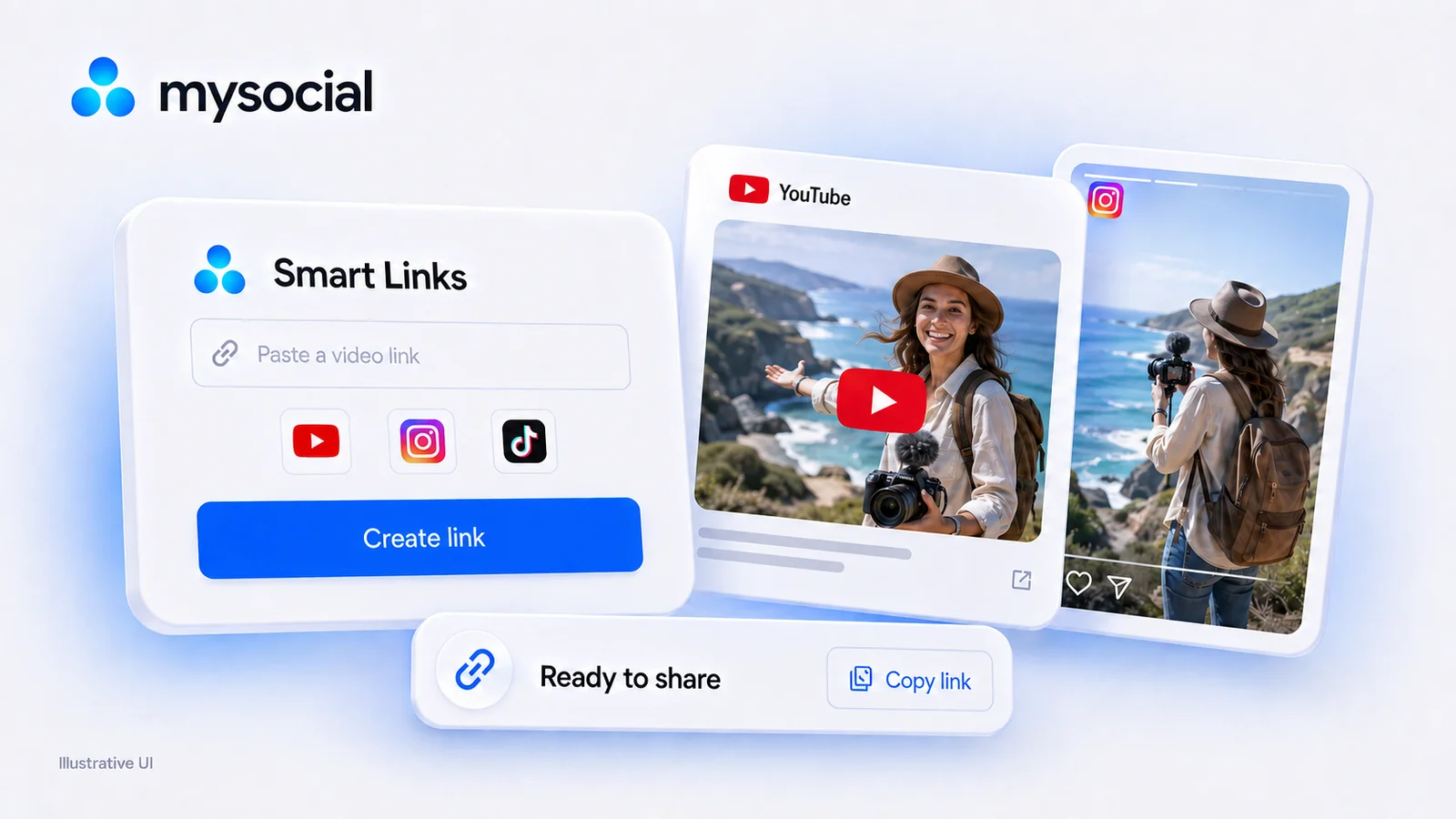
URLgenius charges per click. Mysocial Smart Links are free with no click cap on every plan. Verified 2026 pricing for URLgenius, LinkTwin, OpenUp and U2L.